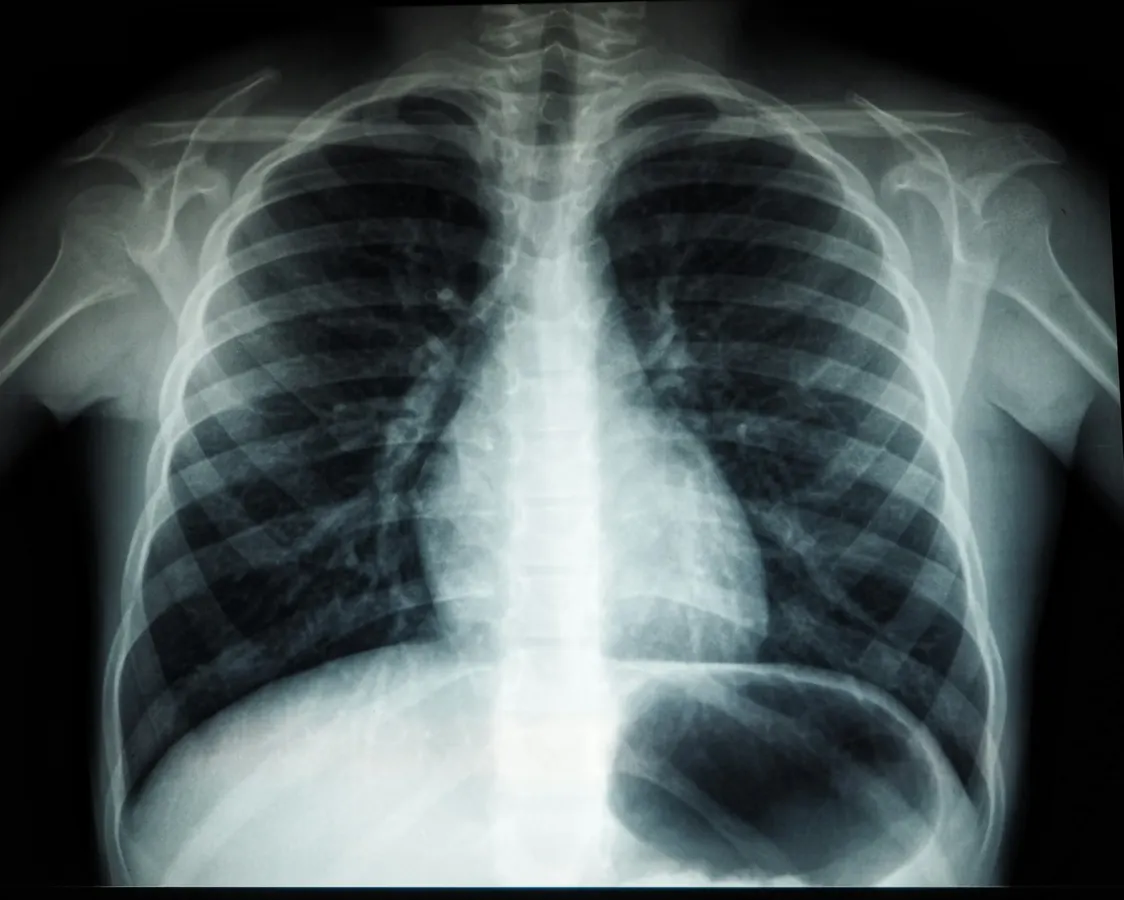
Digital X-ray uses X-rays to capture two-dimensional images of bones, lungs and other anatomical structures electronically. Fluoroscopy produces moving X-ray images, helping to assess swallowing, passage through the digestive tract and certain procedures in real time.
At CityMed, oesophagus, stomach and bowel examinations can be performed with contrast given orally or rectally. Fluoroscopic studies are particularly useful for assessing passage after surgery and investigating clinically suspected leaks.
Hysterosalpingography (HSG) assesses the shape of the uterine cavity and the patency of the fallopian tubes using contrast. The timing and suitability of the procedure are determined by the referring obstetrician-gynaecologist.
Patient safety: Digital X-ray and fluoroscopy use ionising radiation. The need for the examination, possible pregnancy, contrast history and the appropriate protocol are assessed beforehand.
DIGITAL IMAGING INFRASTRUCTURE
Access to images.
Continuity of care.
Digital radiography
DR
Uterus and tube assessment
HSG
Digital archive and comparison
PACS
Images can be processed digitally, magnified for detailed review and archived in the PACS system. Being able to compare with previous examinations is valuable for clinical follow-up. Archive access is subject to the institution’s data retention and sharing policies.
We aim to reduce unnecessary repeat exposures; however, new imaging may be needed for new clinical requirements or technical reasons.
EXAMINATION AREAS
Broad scope.
Targeted examinations.
The required examination is determined by your symptoms, clinical examination and your doctor's assessment.
01 / DIGITAL X-RAY
Chest X-ray
Assessment of the lungs, cardiac silhouette and chest wall according to clinical indication.
02 / MUSCULOSKELETAL
Bone and joint X-rays
Imaging of fractures, dislocations, degenerative changes and bone-joint structures.
03 / CONTRAST FLUOROSCOPY
Oesophagus and swallowing studies
Dynamic examination of swallowing and passage through the oesophagus with suitable contrast.
04 / GASTROINTESTINAL
Stomach and bowel follow-through
Assessment of the shape, passage and certain functional problems of the digestive tract with contrast studies.
05 / POST-OPERATIVE
Post-operative passage and leaks
Assessment of passage after surgery, at the surgeon's request, and investigation of possible leaks.
06 / WOMEN'S HEALTH
Hysterosalpingography (HSG)
Assessment of the uterine cavity and fallopian tube patency with contrast fluoroscopy.
07 / DIGITAL ARCHIVE
PACS and comparison with prior studies
Electronic storage, magnification and comparison of images with previous examinations.
08 / PERSONALISED
Appropriate imaging protocol
Planning of field size, number of images, radiation time and contrast choice according to clinical need.
PATIENT GUIDE
What to know
before your scan.
01 / BEFORE YOUR VISIT
Bring your referral
Bring your doctor's referral, previous imaging reports and any surgical notes.
02 / POSSIBLE PREGNANCY
Always let us know
If you are pregnant or think you may be, inform the team before any X-ray examination.
03 / CONTRAST AGENTS
Report allergies and conditions
Previous contrast reactions, medications and significant health conditions should be assessed.
04 / DIGESTIVE SYSTEM
Confirm fasting and preparation
Fasting or bowel preparation for oesophagus, stomach and bowel studies varies by examination.
05 / HSG TIMING
Tell us about your cycle
HSG is usually scheduled after menstrual bleeding has ended and before ovulation; the possibility of pregnancy and infection is assessed.
06 / AFTER THE PROCEDURE
Follow personal instructions
Advice on fluid intake, returning to daily life and follow-up may differ depending on the contrast and examination type.
This information is for general guidance. For HSG, contrast gastrointestinal studies and post-operative examinations, follow the personal preparation instructions given by the centre.
FREQUENTLY ASKED QUESTIONS
Common questions about
X-ray and fluoroscopy.
What is the difference between digital X-ray and fluoroscopy?
Digital X-ray produces single images, whereas fluoroscopy provides moving, real-time X-ray imaging.
What conditions is fluoroscopy used for?
It can be used to assess swallowing difficulties, passage problems in the oesophagus and digestive tract, some suspected post-operative leaks and examinations such as HSG.
What is HSG and why is it performed?
Hysterosalpingography is a fluoroscopic examination that assesses the shape of the uterine cavity and the patency of the fallopian tubes with contrast.
When is HSG performed?
It is usually scheduled after menstrual bleeding has ended and before ovulation. The exact day is determined by the clinical circumstances.
Is HSG painful?
Cramping or discomfort similar to period pain may be felt during the procedure; the experience varies from person to person.
Do I need a pregnancy test before HSG?
The possibility of pregnancy must be assessed before the procedure. Your doctor decides whether a test is needed.
Do I need to fast for a contrast stomach and bowel study?
Some studies require fasting or bowel preparation. The duration and method vary with the type of examination.
Does fluoroscopy involve radiation?
Yes, it uses ionising X-rays. Screening time and protocol are adjusted according to diagnostic need.
Are digital X-ray images stored?
Images can be stored in the institution's PACS and archiving system; access and retention conditions depend on institutional policies.
How long does a fluoroscopy study take?
It depends on the type of examination, contrast transit and the patient's clinical condition.
How is a post-operative leak investigated?
Fluoroscopic passage can be observed with contrast appropriate to the surgical site and clinical question; other imaging methods may also be used if needed.
Can contrast examinations be performed while breastfeeding?
This is assessed according to the type of contrast and clinical circumstances. Tell us in advance that you are breastfeeding to receive personal advice.
CITYMED FULYA
A careful approach
to imaging.
Hakkı Yeten Cd.
Unimed Business Centre No:19, Floor B1
34394 Şişli / Istanbul, Türkiye
GET DIRECTIONS
How can we help you?
Choose a topic and your message will open ready to send on WhatsApp. We reply as soon as possible during working hours.